


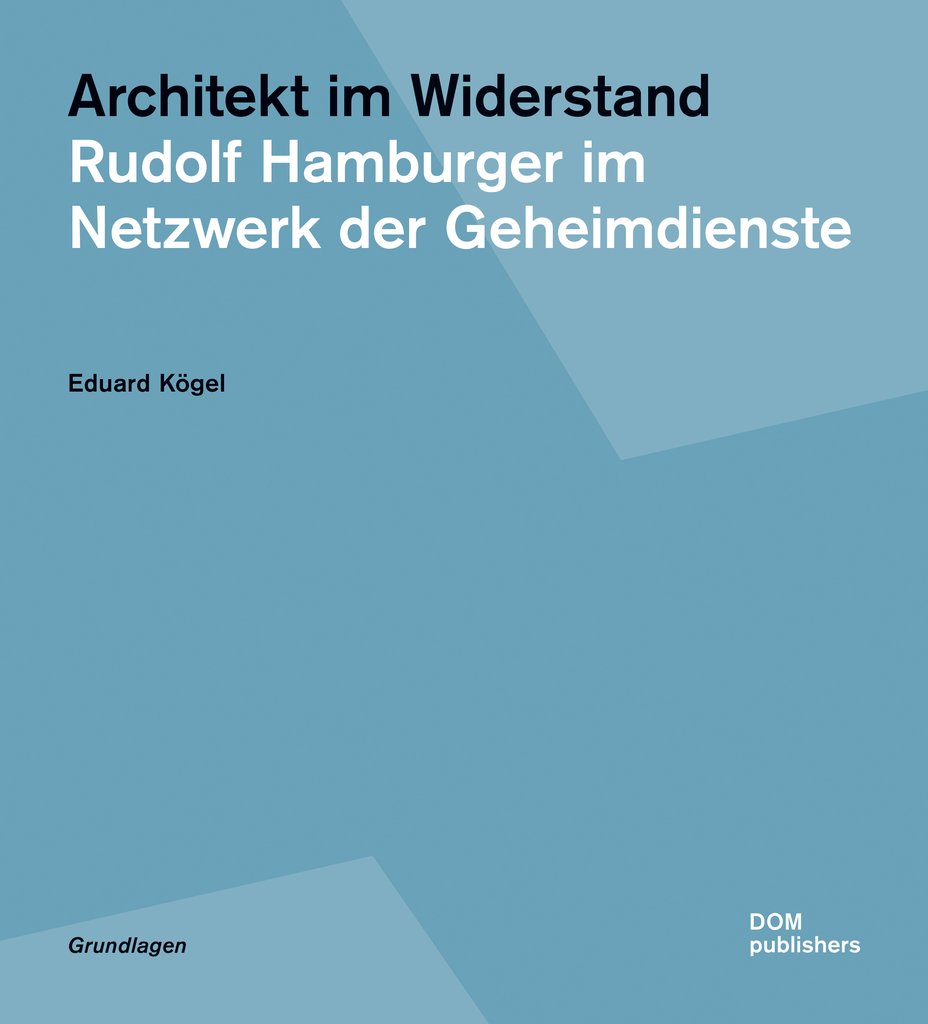
Eduard Kögel, Architekt im Widerstand Rudolf Hamburger im Netzwerk der Geheimdienste € 28.00
Der Architekt Rudolf Hamburger (1903 – 1980), ein Schüler Hans Poelzigs, brachte in den Dreißigerjahren die Ideen des Neuen Bauens von Berlin nach Shanghai, wo er bemerkenswerte Bauten realisierte. Aufgrund der Bedrohung im nationalsozialistischen Deutschland ließ er sich durch seine Ehefrau Ursula (die in der DDR unter dem Namen Ruth Werner als Schriftstellerin reüssierte) für den sowjetischen Geheimdienst der Roten Armee (GRU) anwerben. Hamburger geriet in die Spionage-Netzwerke der Chinesen, Briten, Amerikaner und Sowjets und wurde in sowjetischen Arbeitslagern gequält.
1955 durfte er aus dem Gulag in die DDR zurückkehren, wo er wenige Jahre als Architekt in Dresden und in Hoyerswerda wirken konnte und die Stasi auf ihn aufmerksam wurde. Seine Freundschaften u. a. mit Richard Paulick, Martha Dodd, Brigitte Reimann hinterließen Spuren, die wichtige Aspekte der politischen und kulturellen Entwicklungen des 20. Jahrhunderts beleuchten. Am Schicksal Rudolf Hamburgers zeigt sich die absurde Logik geheimdienstlicher Tätigkeiten – sein Weg illustriert eindrücklich ein wechselvolles Leben zwischen Anpassung und Widerstand.
210 x 230 mm
336 Seiten
170 Abbildungen
Softcover
ISBN 978-3-86922-761-0
Gegenstand und Raum, Neue Folge [1]
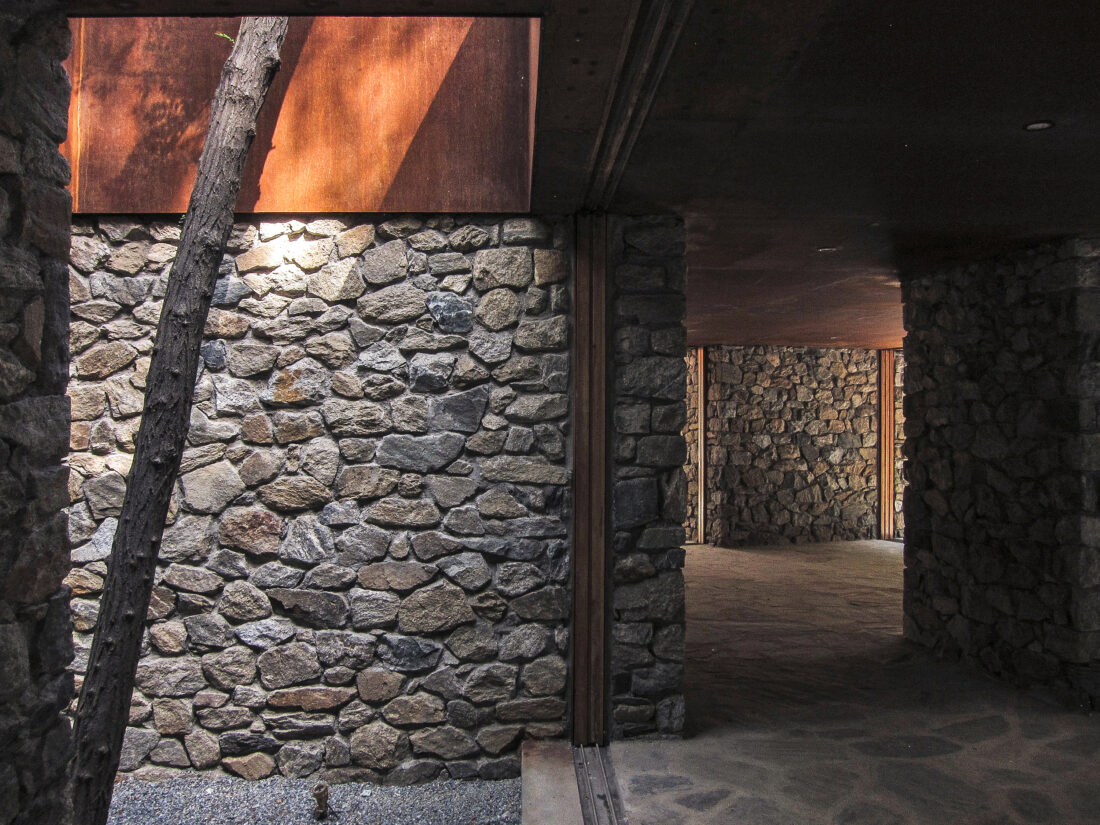
“Architecture in Relation to the Environment: Hua Li and Trace Architecture Office“ by Eduard Kögel

EDITION #6: Regions on the Rise. Culture and Architecture as Drivers for Rural Development
This publication is part of ANCB’s long-term enquiry programme Regions on the Rise as well as continuing nearly twenty years of intensive exchange, relationship and cooperation between Aedes and China, in the field of the built environment. For the pdf see here.
Eduard Kögel: Shrinking Hinterland – Growing Centre, p.22–30.
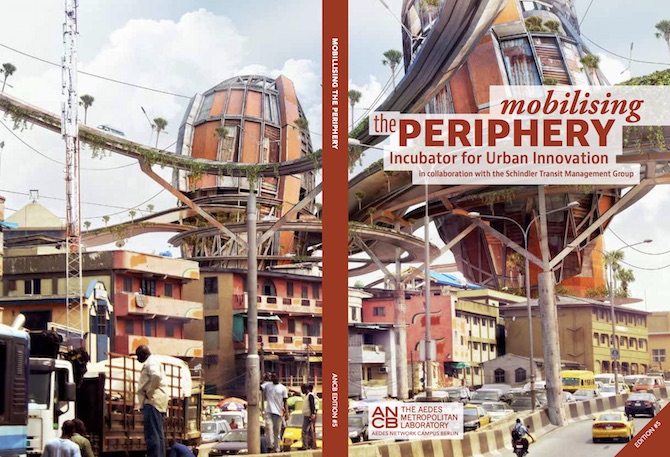
EDITION #5 : MOBILISING THE PERIPHERY: INCUBATOR FOR URBAN INNOVATION
This publication brings together a series of five symposia that took place at ANCB The Aedes Metropolitan Laboratory between June 2015 and April 2018. It was conceived in collaboration with the Schindler Transit Management Group to identify and understand the urban development patterns emerging in peripheries worldwide. For pdf of the publication see here.
Eduard Kögel: The Power of Unconventional Solutions from the Edge of the City, p.10–15.
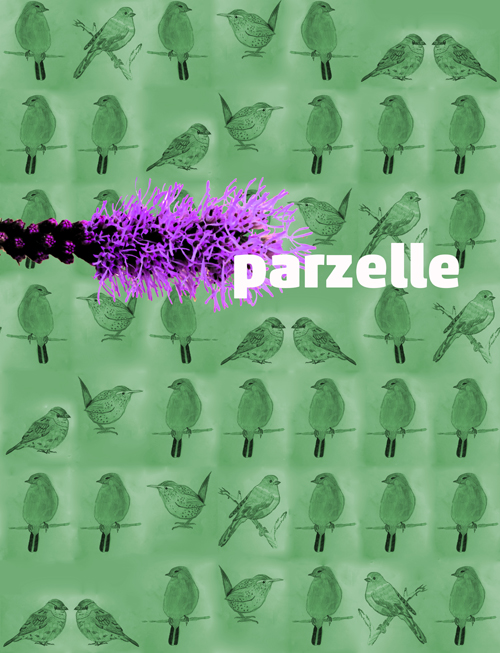
parzelle, das Magazin für Kleingartenkultur
Hier gehts zur webseite.
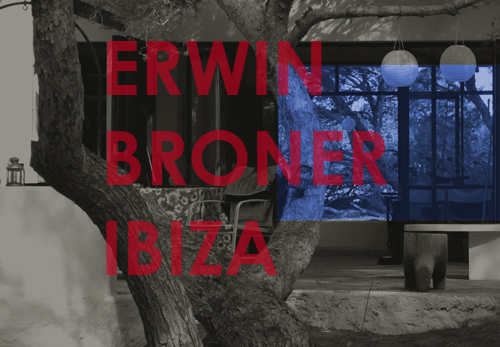
Kögel, Eduard (2019). Erwin Broner’s Exile in Ibiza. The Transformation from Vernacular to Avant-garde in Architecture. In: Burcu Dogramaci/Kerstin Pinther (Eds.), Design Dispersed (212-231). Bielefeld: transcript Verlag. https://doi.org/10.14361/9783839447055-012
Eduard Kögel: Erwin Broner’s Exile in Ibiza.
The Transformation from Vernacular to Avant-garde in Architecture
The German architect and artist Erwin Broner had to flee from the National Socialists and came to Ibiza for the first time at the end of 1933. Like other refugees, such as the Dadaist Raoul Hausmann or the writer Walter Benjamin, he studied the traditional architecture of the island. In the 1940s Broner and his second wife, Bauhaus graduate Bella Ullmann, worked in the Hollywood film industry. At the end of the 1950s he returned to Ibiza with his third wife and designed his own house there, which is of particular importance for the discourse on Ibiza’s architectural culture. Later he built houses and studio buildings in the countryside and on the outskirts of the city, or renovated existing buildings in the old town. His approach starts from the existing situation and changes it with simple means so that the result appears completely natural. As an artist, he was a member of Grupo 59 and a driving force for contemporary expression in all areas of cultural development.
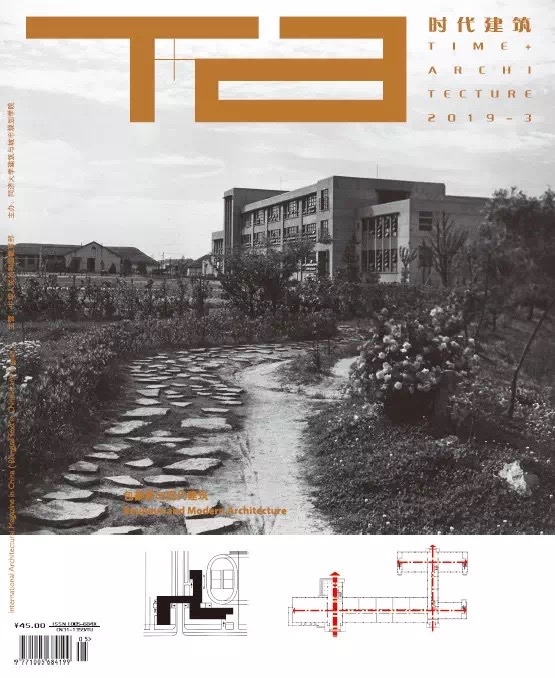
Chinese version of: EDUARD KÖGEL: Walter Gropius and Chinese Architecture

Eduard Kögel: Emigration der Ideen. Das Bauhaus in China, in Ostasiatische Zeitschrift 37, 2019, S. 33–43.